
Hot enough for a selfie
The absurdity of heat tourism and the everyday brilliance of those who actually live there
Growing up in northeast India, we spend most of our lives behind a curtain of stories about China, the ’62 war, and how our neighbour was a constant “threat.” The current geopolitical news doesn’t help, nor does being situated downstream from one of the largest mega dam they are building.
All of it together paints a formidable image for us. Most of us picture China as very vast, very powerful, and somewhat villainous. But that painting starts to change when you see it through the lives of its people, not the stories that come from political desks. You catch familiar words in their language. You see daily lives and jobs that are similar to ours. Or spices that taste like those in your own kitchen. You realise that most of us, wherever we are, would find far more in common if we really looked.
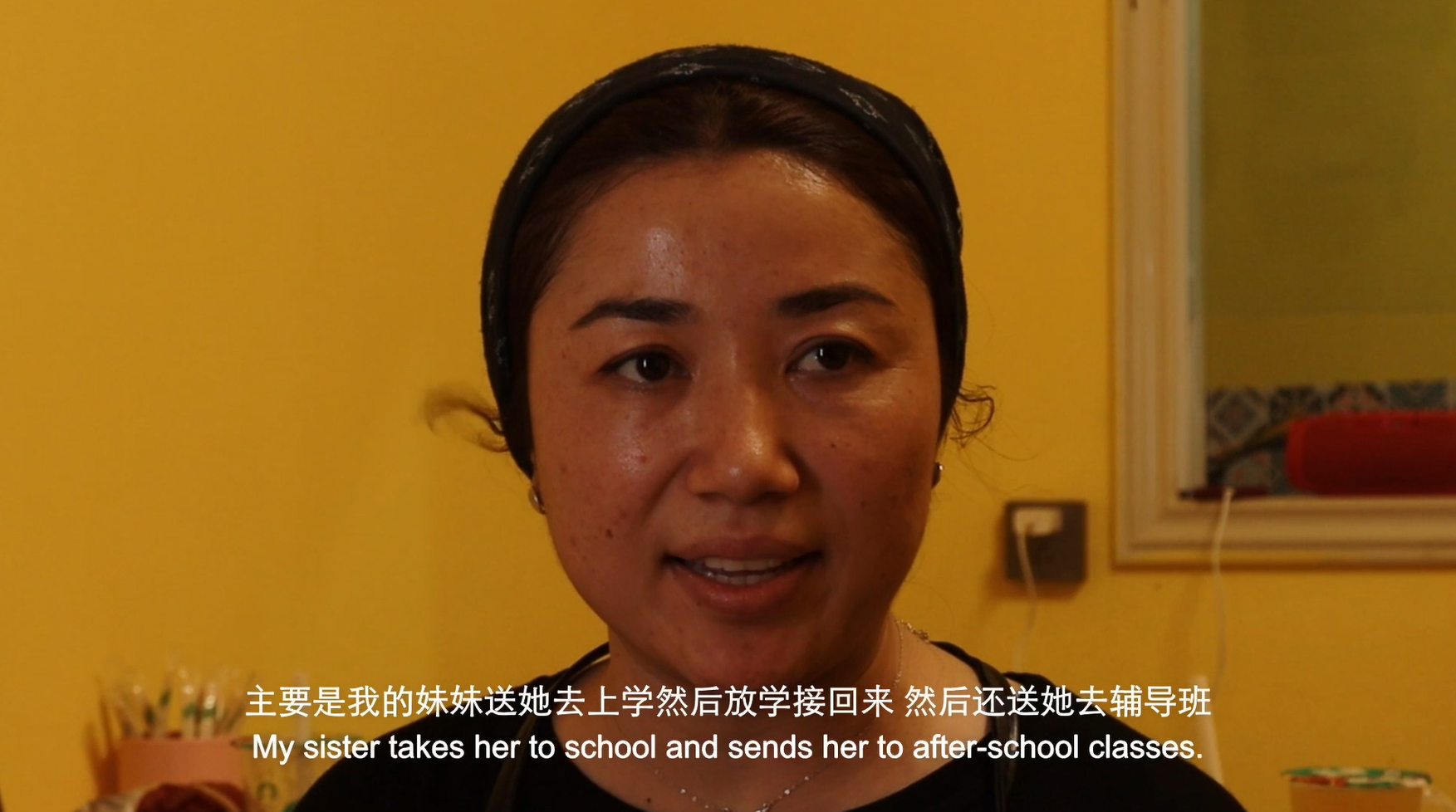
RUKEYA MAIHEMUTI, FLAMING MOUNTAIN EMPLOYEE & BUSINESSWOMAN
I came across People of the Flaming Mountain by multidisciplinary designer and filmmaker Shubhra Agarwal, and it peeled back a layer for me. Made as part of the Looking China Youth Film Project, the film travels to Turpan, a desert town in Xinjiang that sits under the shadow of the Flaming Mountains.
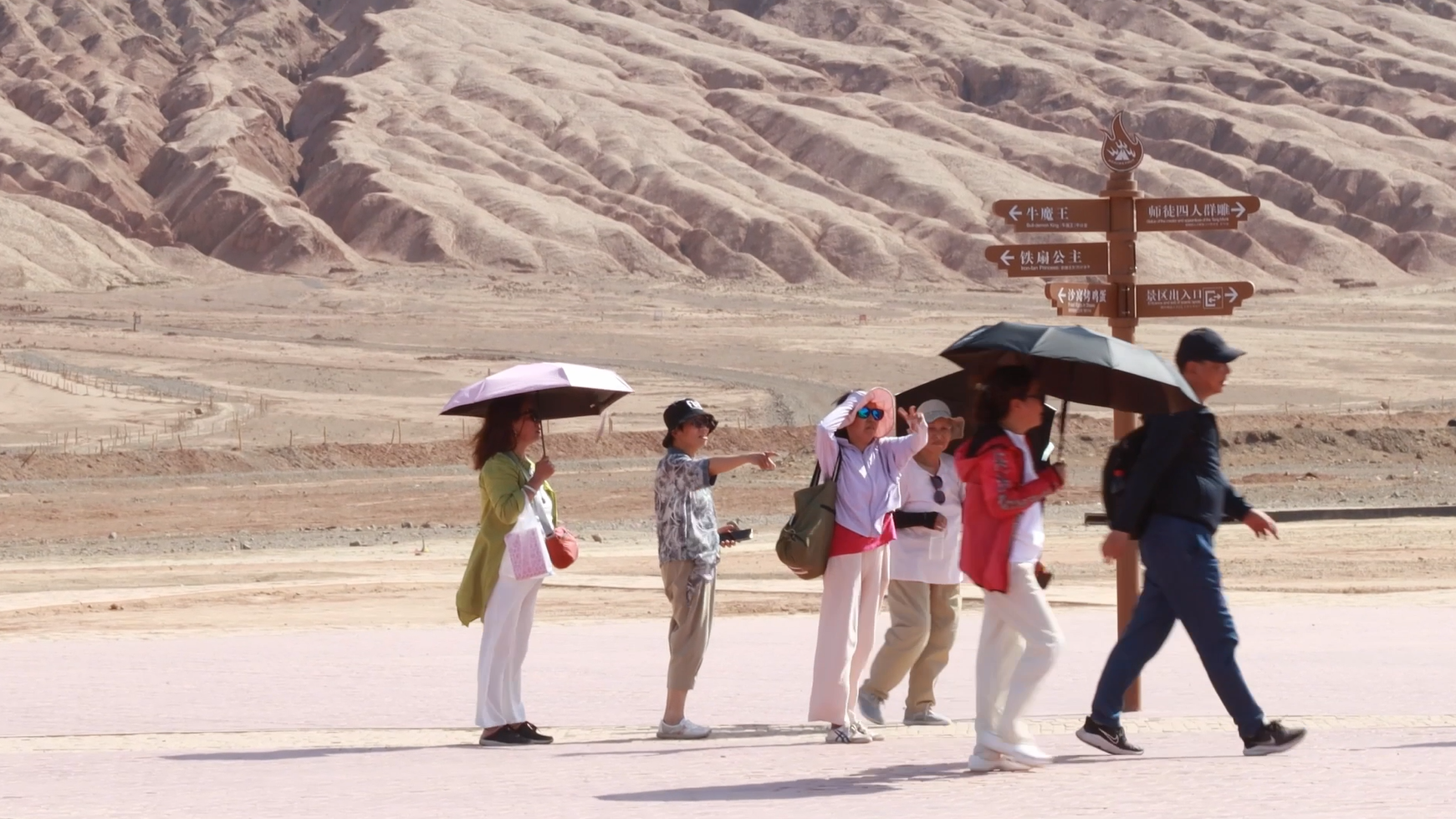
It’s the hottest place in China, and one of the hottest on earth. The ground temperature can hit 80°C. Shubhra’s film invited me into a world where my own climate anxiety about rising temperatures met the human ingenuity of a town many of us would never imagine living in. The film is a little about the heat, and a lot more about the people who’ve learned to live with it.
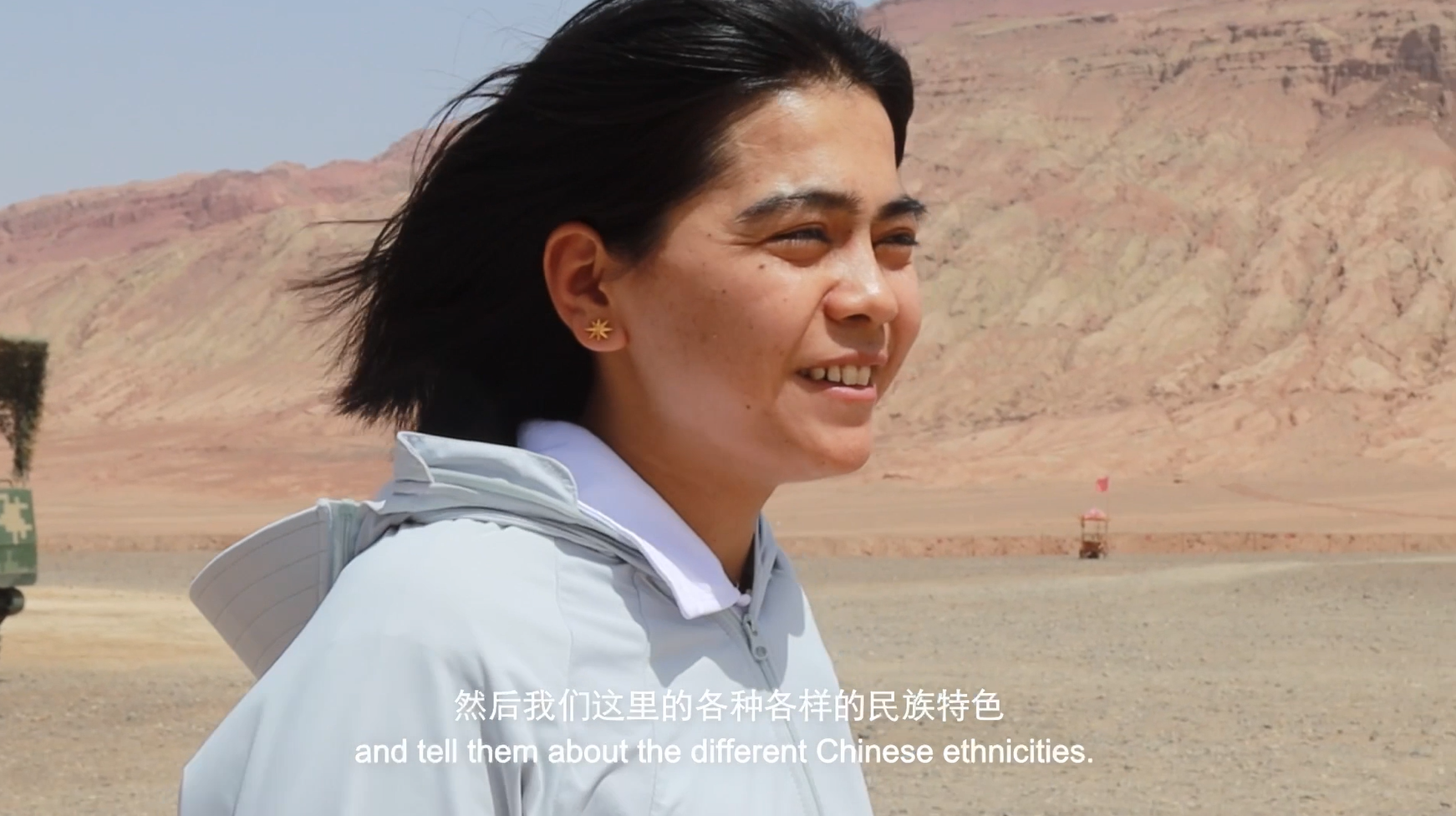
MUKAIDAISI ABULAITI, TOUR GUIDE, FLAMING MOUNTAIN
The people here are the Uyghurs, dwelling in and around Turpan, in the remote desert of Xinjiang. Their home, under the looming red slopes of the Flaming Mountains, is full of layered history, culture, displacement, and survival. The headlines often reduce the Uyghur story to conflict, but rarely do you get to see how they live.
In the film, I saw everyday routines: children playing in courtyards, grape farms flourishing under the scorching sun, and families selling their famous yellow noodles, the town’s most beloved dish.
Descriptions of the climate of this place make it sound unlivable. And yet here it is. Thriving with good food, clean water, music, culture, and tourists who arrive to marvel at it all.
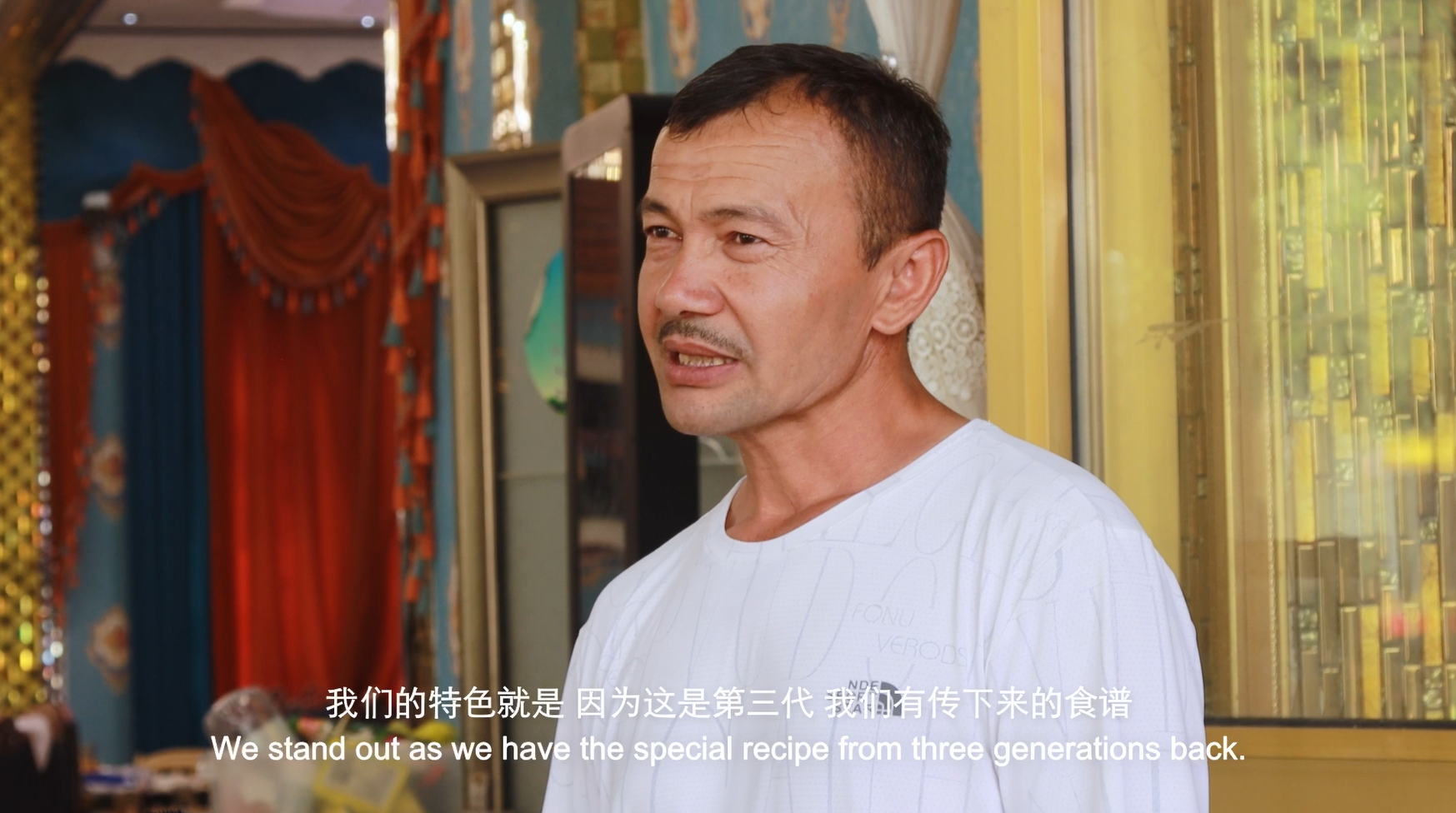
YUSHAN ABULIZI, MANAGER OF YELLOW NOODLE BARBECUE RESTAURANT
Turpan hosts tourists who come to feel the heat, to see the “hottest place” for a selfie. The residents don’t treat it as a stunt, in fact, they live it - that too, intelligently.
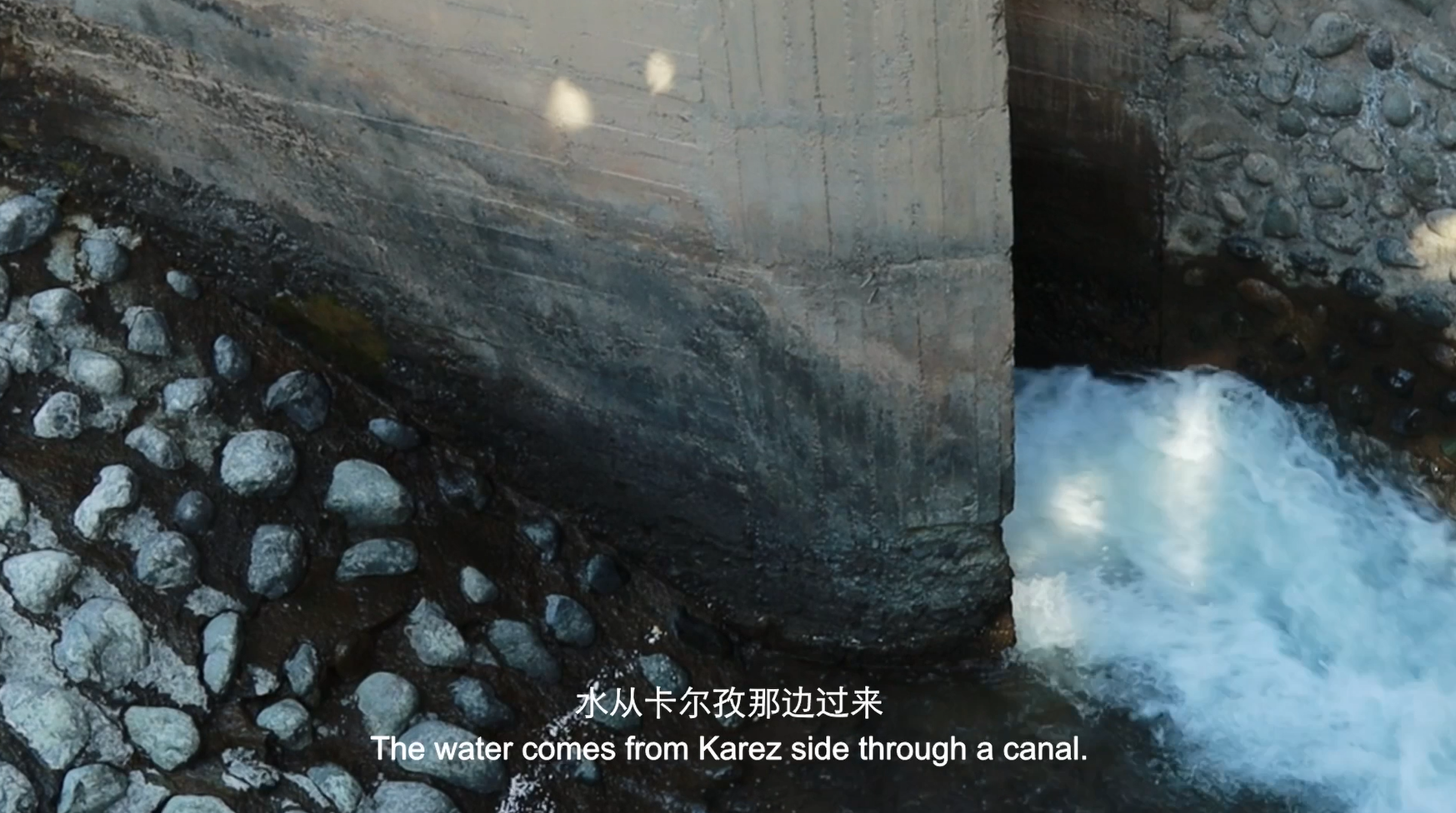
They have built their settlements with thick walls, shaded courtyards, and vine-covered terraces. They built karez (or qanat), underground water tunnels, to bring cool water through the desert without losing a drop. They design their homes with the climate not against it; they have learned to time their days to the sun, and their crops to the shadows.
It is old wisdom that still works, and makes me wonder how much knowledge, the world in general has traded away for convenience.
Shubhra says:
“.. it’s so hot (it hit 65°C when I was there) that they’ve built a giant thermometer in the middle of the desert and turned it into a tourist spot.
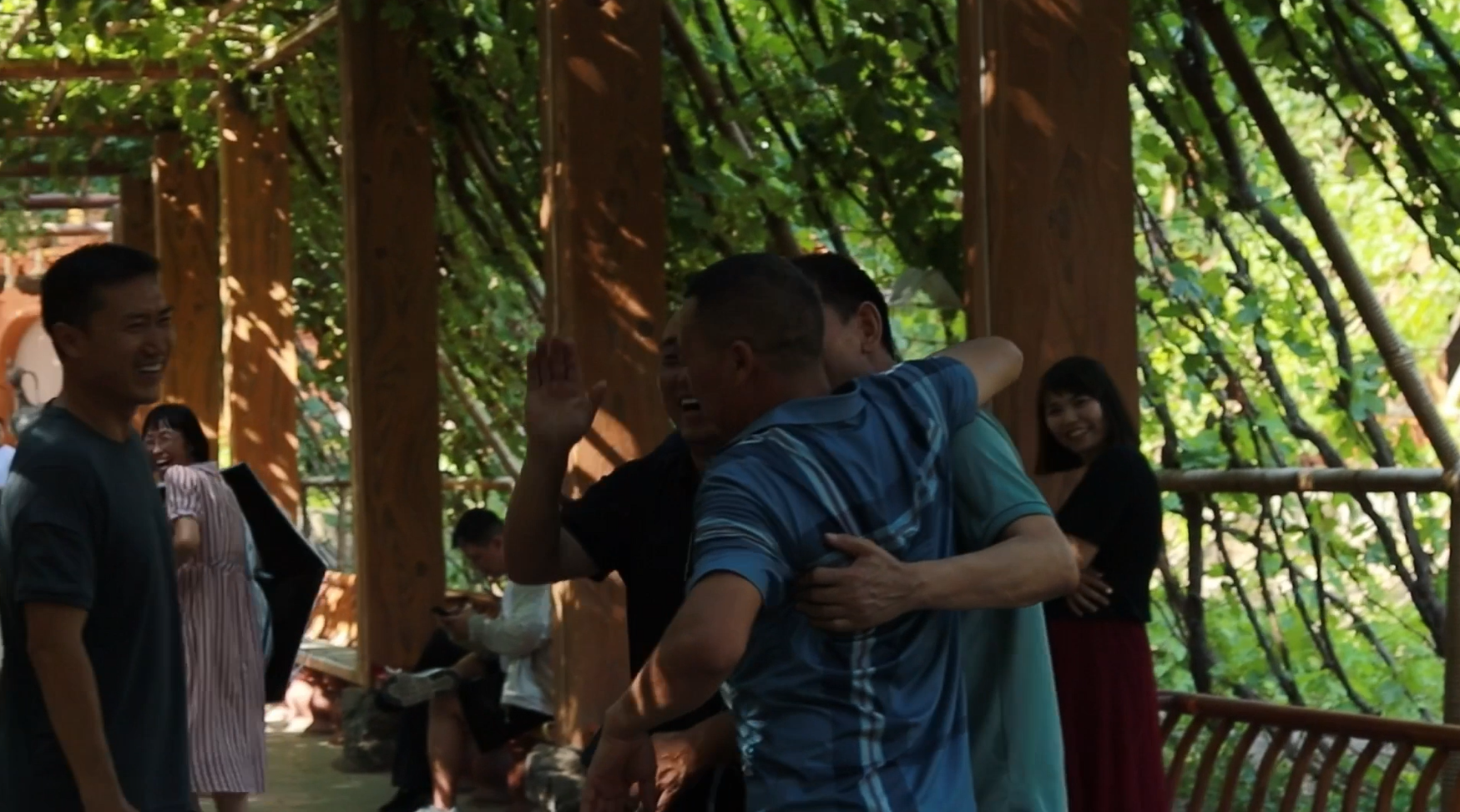
I was excited to experience a new culture in a new country. But then I found myself eating naans spiced with chilli, jeera, and coriander. The souvenirs, trinkets, carpets, scarves, all looked suspiciously similar to the ones in my own house. My producer even referred to shops as dukaan and doors as darvaza. And I immediately went - Wait. That’s what we call it too!
Now it seems too obvious to me. After all, China’s Uyghur Muslims and we Indians have a lot in common. Long before Islam reached the region, early Uyghurs had adopted Buddhism from India. The ancient cave temples in Turpan and Kucha still hold Indian-style Buddhist art, strikingly similar to the murals of Ajanta. Then, in the 10th century, most Uyghurs converted to Islam, which also explains the shared cultural motifs and familiar words between us.”
I think about my own anxieties around the climate crisis, about rising temperatures, floods, the constant unpredictability of the world we live in. And then I think of Turpan, and a bunch of people who turned a furnace-like environment into an oasis. Maybe the real crisis is not climate change; but forgetting how to live with our own landscape and to learn from the changes it is going through.
Shubhra Agarwal is an multidisciplinary designer, writer and filmmaker from the National Institute of Design, Ahmedabad, India. In a world obsessed with techno-capitalism, Shubhra prefers to create work that celebrates humanity's inconsistencies and brings people back to people. They explore themes of grief, resilience and longing in their literature, and the intersection of culture and environment in their films. Shubhra believes that stories move mountains. They were invited to make their most recent film, '火焰山的人们 People of the Flaming Mountain,' in Xinjiang, China on Uyghur food and culture. This film is currently making its rounds in international film festivals, having premiered in India, China and Peru. Shubhra wants to travel the world, discovering and telling stories that will inform hearts, because they find that most global issues today are not scientific problems, but communication problems.